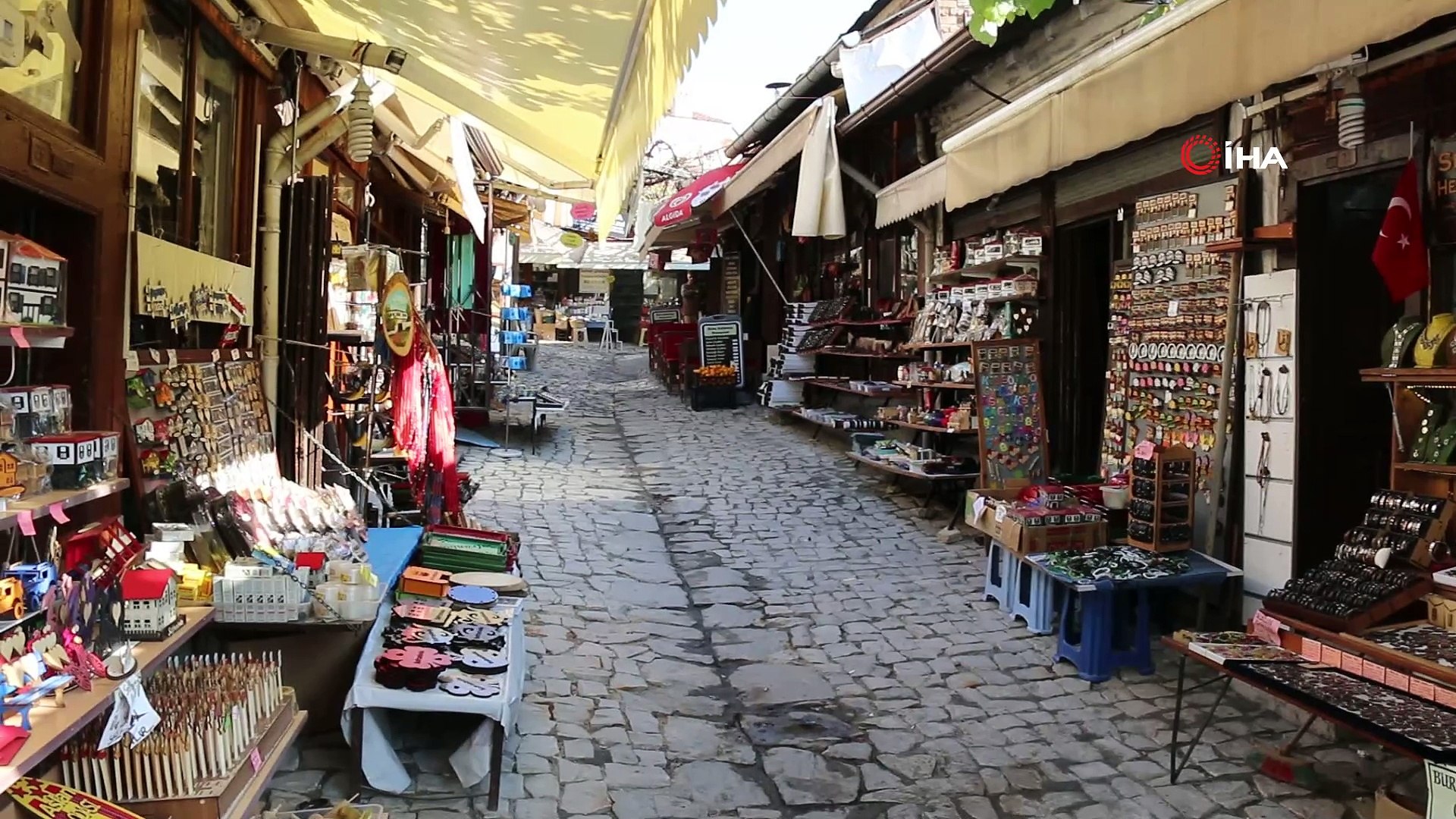
Old Town
Safranbolu's historic centre — among Karabük's most visited sites; allow at least a full day. Start at Kazdağlı Square, pause at the old town cafés, and don't miss the panoramic view from Cinci Han's terrace.
SMART CITY APPLICATIONS International Conference
A heritage guide for SCA'26 guests — history, must-see places, and local flavours in one of Türkiye's best-preserved Ottoman towns.
Inscribed on the UNESCO World Heritage List, Safranbolu is a living museum city of timber houses, caravanserais, and craft traditions — a short drive from the conference venue in Karabük.
History, sights, and local food
Inscribed on the UNESCO World Heritage List in 1994, Safranbolu is a historic district of Karabük in Türkiye's western Black Sea region. Protected as an urban heritage site since 1976, it preserves roughly 2,000 traditional Turkish houses — about 800 under legal protection — alongside mosques, caravanserais, baths, and guild bazaars.
Known history reaches back to around 3000 BC, when the area was part of ancient Paphlagonia. Hitites, Phrygians, Persians, Romans, Seljuks, and Ottomans all shaped the town. Silk Road trade and landmarks such as Cinci Han enriched its crafts economy for centuries.
The town divides into two complementary quarters: Şehir (Çarşı), the lower winter district for daily life and trade, and Bağlar, the higher summer retreat about 2 km away — a layout shaped by climate and Ottoman family culture.
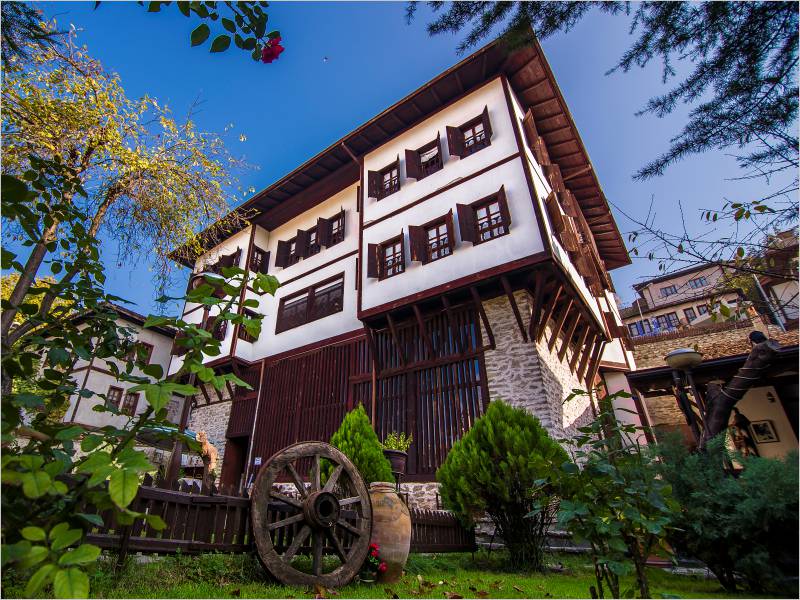
Safranbolu's historic centre — among Karabük's most visited sites; allow at least a full day. Start at Kazdağlı Square, pause at the old town cafés, and don't miss the panoramic view from Cinci Han's terrace.
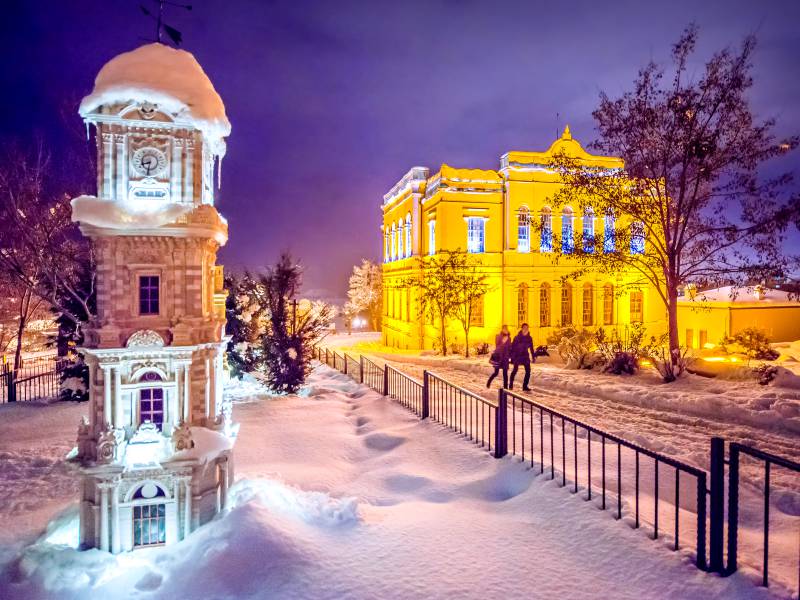
Government House on the castle hill (1904–1906); restored and opened in 2006. Now operated by the Ministry of Culture and Tourism — free admission until 31 December 2026.
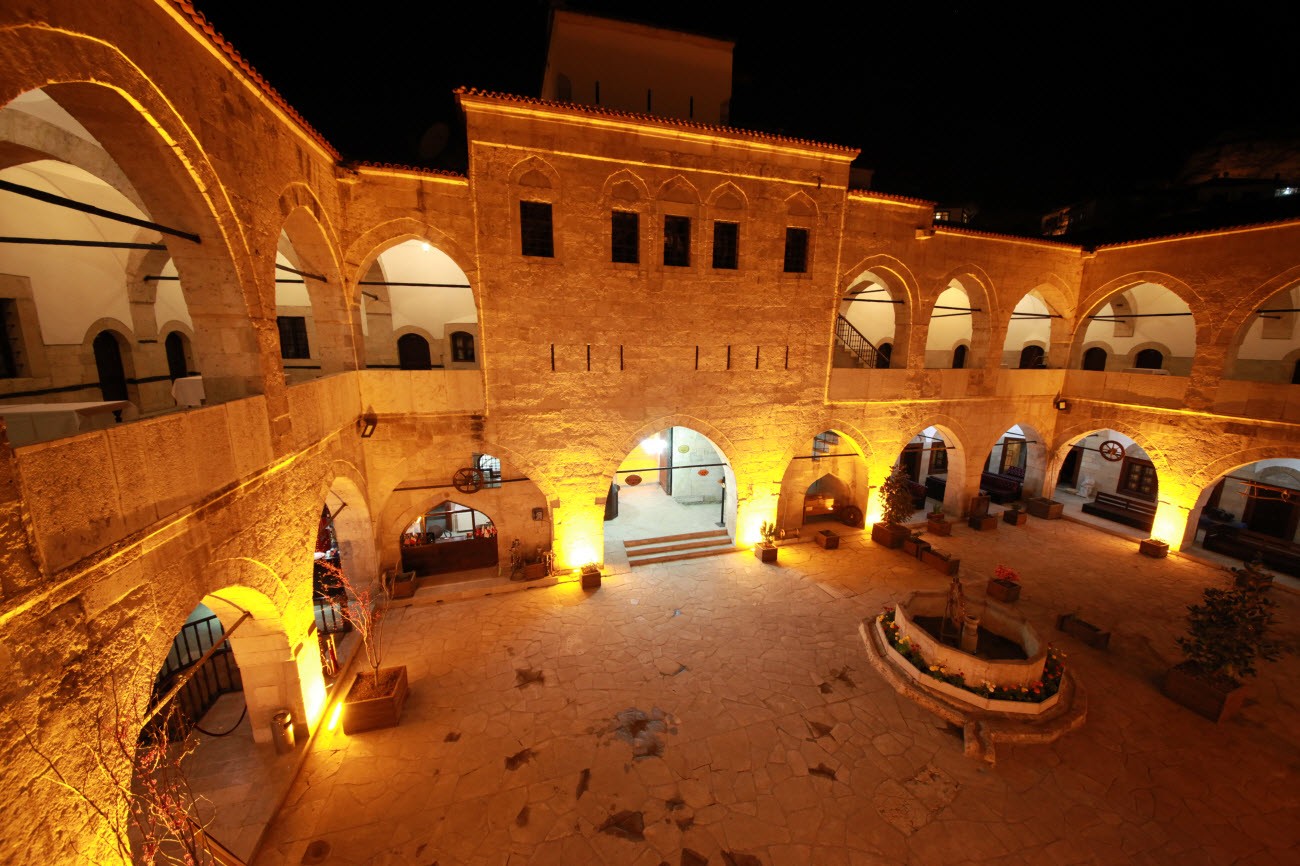
Built mid-17th century by Cinci Hoca (Kazasker Hüseyin Efendi). The restored two-storey caravanserai has 63 rooms around a courtyard pool; its iron door, lock and key are fine examples of Turkish metalwork. The 1645 hamam in Çarşı still operates with separate men's and women's sections.
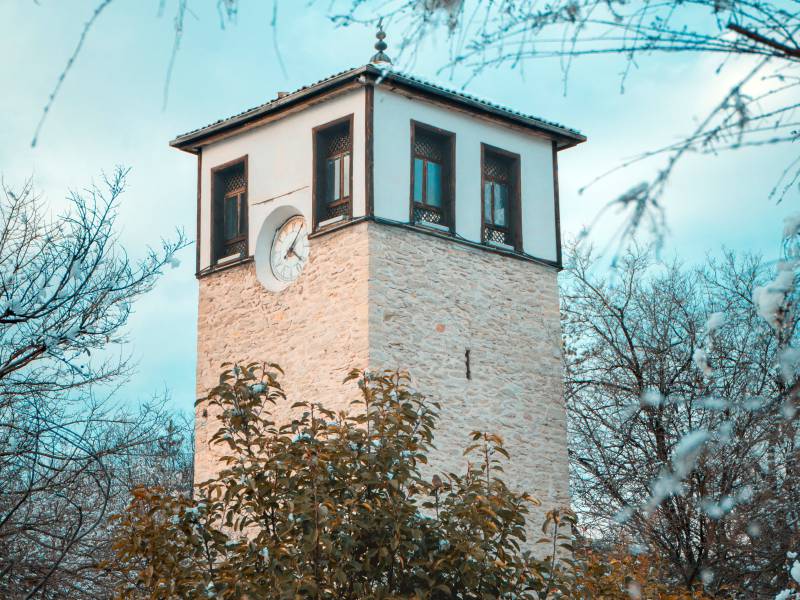
Built in 1794–1797 on the castle hill — one of Türkiye's oldest enterable clock towers.
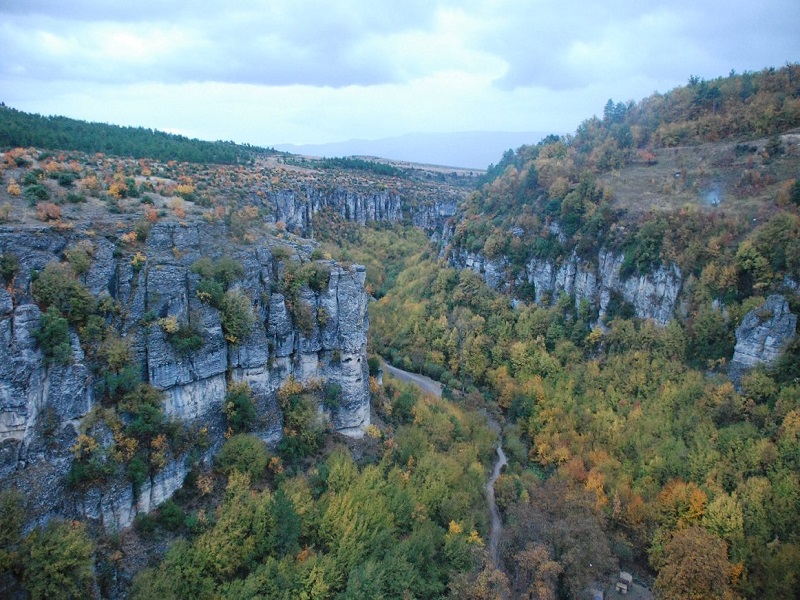
A limestone canyon with the Incekaya Aqueduct and an 80 m-high glass viewing terrace; ~9 km hiking trail.
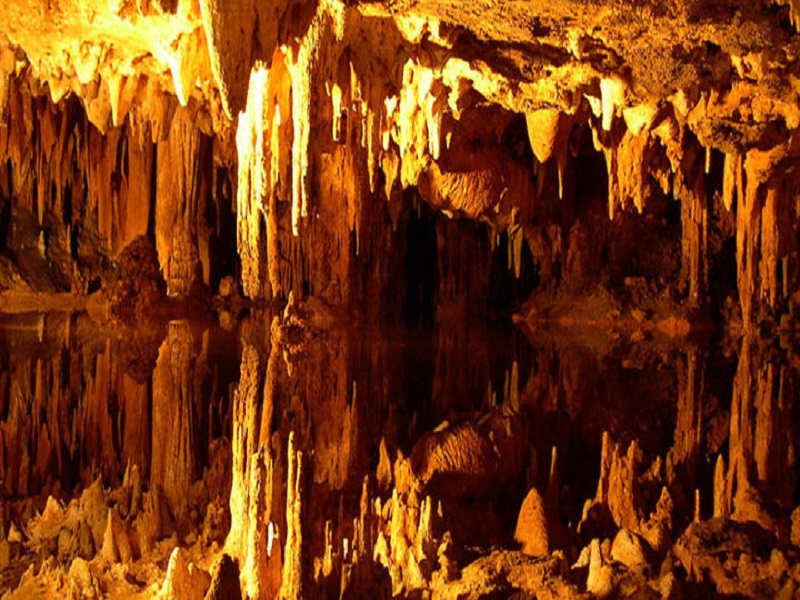
~8 km from the centre; 6 km long with the first 400 m open to visitors — Türkiye's fourth-largest cave.
A restored 19th-century Safranbolu mansion showcasing traditional Ottoman family life and architecture.
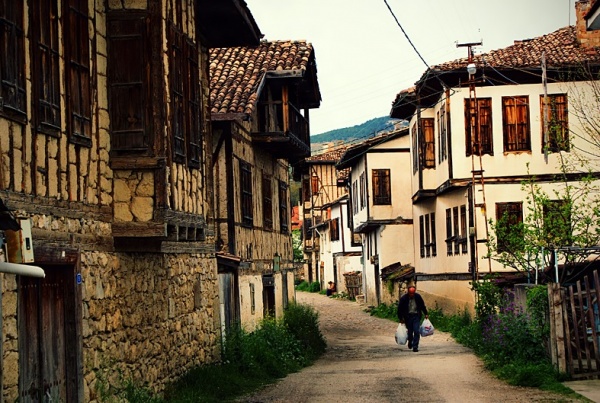
A protected "museum village" 11 km from Safranbolu — 93 registered historic buildings, mansions, and the village laundry house.
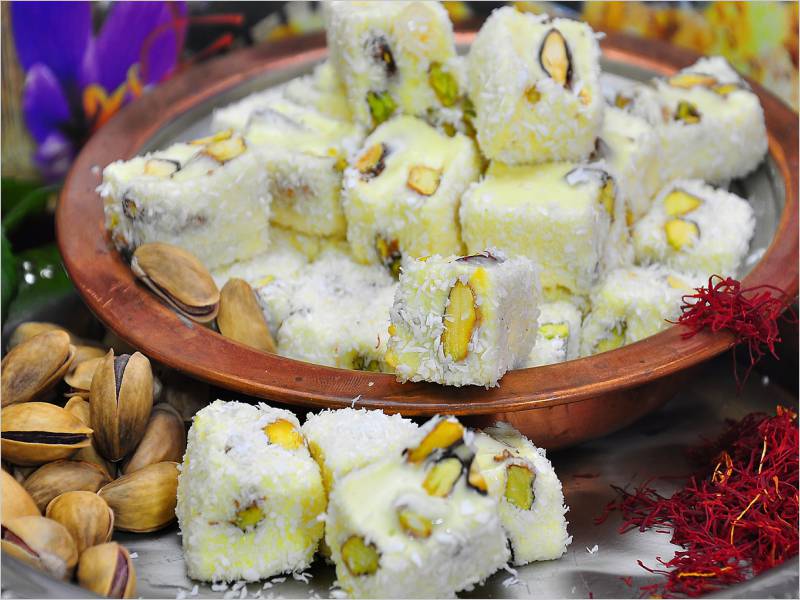
Interactive museum dedicated to Safranbolu lokum and saffron — the town's signature flavours and craft traditions.
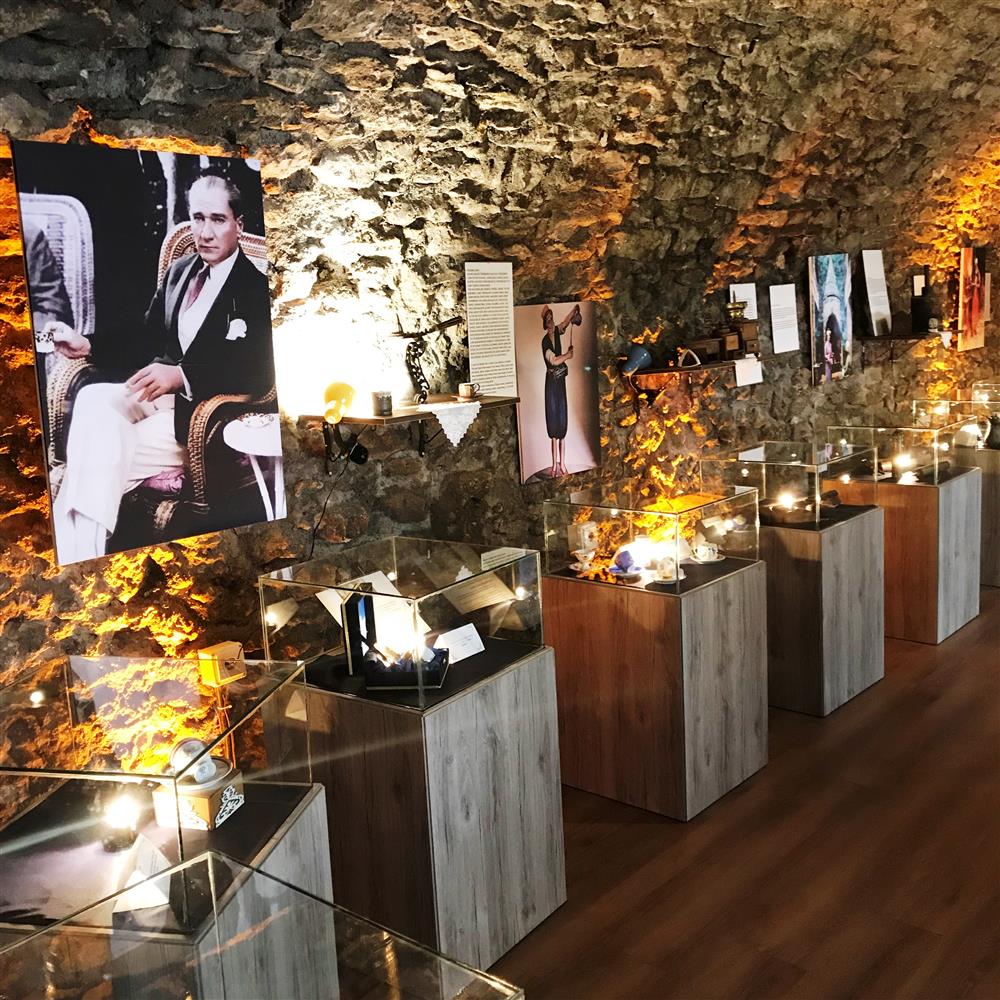
Centuries of Turkish coffee culture — grinders, heirloom cups, and artefacts from Safranbolu's UNESCO-listed coffee heritage (2013).
Türkiye's first and only visitable tannery — the sole survivor among ~200 historic tanneries, with an 800-year craft tradition.
Safranbolu Turkish delight (lokum)
Saffron tea
Kuyu kebab — underground pit-roasted lamb
Perohi and regional pastries
Official PDF guides from Safranbolu Tourism Information Office
View all guides & itinerary on the official page →
Travel to Karabük, visa & entry for Türkiye, and practical information are on the Visitor Guide page.